
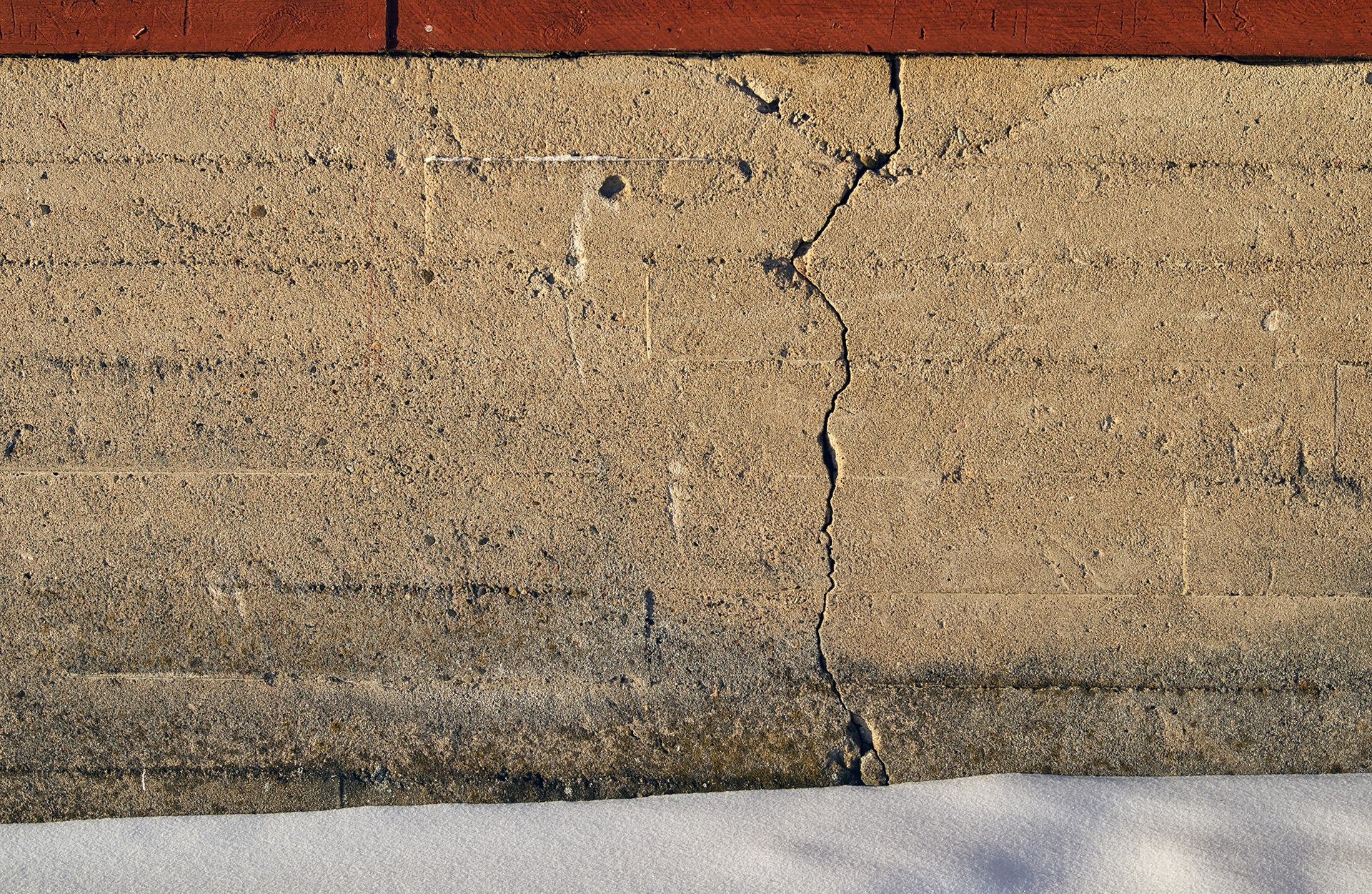
An extreme drought in northwest Ohio is posing significant risks to residential properties, despite the conclusion of the agricultural growing season. The primary issue stems from the region’s clay-heavy soil, which typically expands with moisture but is currently shrinking and pulling away from foundations due to a severe lack of precipitation. This soil contraction can lead to serious structural damage, including cracked basement walls, uneven floors, and doors that stick.
In addition to structural concerns, the drought is threatening local landscaping and vegetation. Trees are struggling to absorb moisture from the parched ground, and dry winter winds are further dehydrating branches, which may lead to significant withering and increased replacement costs by spring. While recent snowfall has provided some surface moisture, water levels remain critically low, though meteorologists hope a shifting climate pattern toward a “Neutral” state will bring more consistent rain and snow in the coming months.
To protect their property, homeowners are encouraged to proactively monitor their homes for early warning signs of drought-related stress. This includes walking around the exterior of the house to look for gaps where the soil has pulled away from the foundation and checking crawlspaces or basements for new or widening cracks. Inside the home, residents should pay attention to doors that suddenly begin to stick or floors that feel increasingly uneven, as these can be indicators of shifting structural pressure.